Beating the Bell: Why a Booked Cab Makes Term-Time Mornings Less Fraught

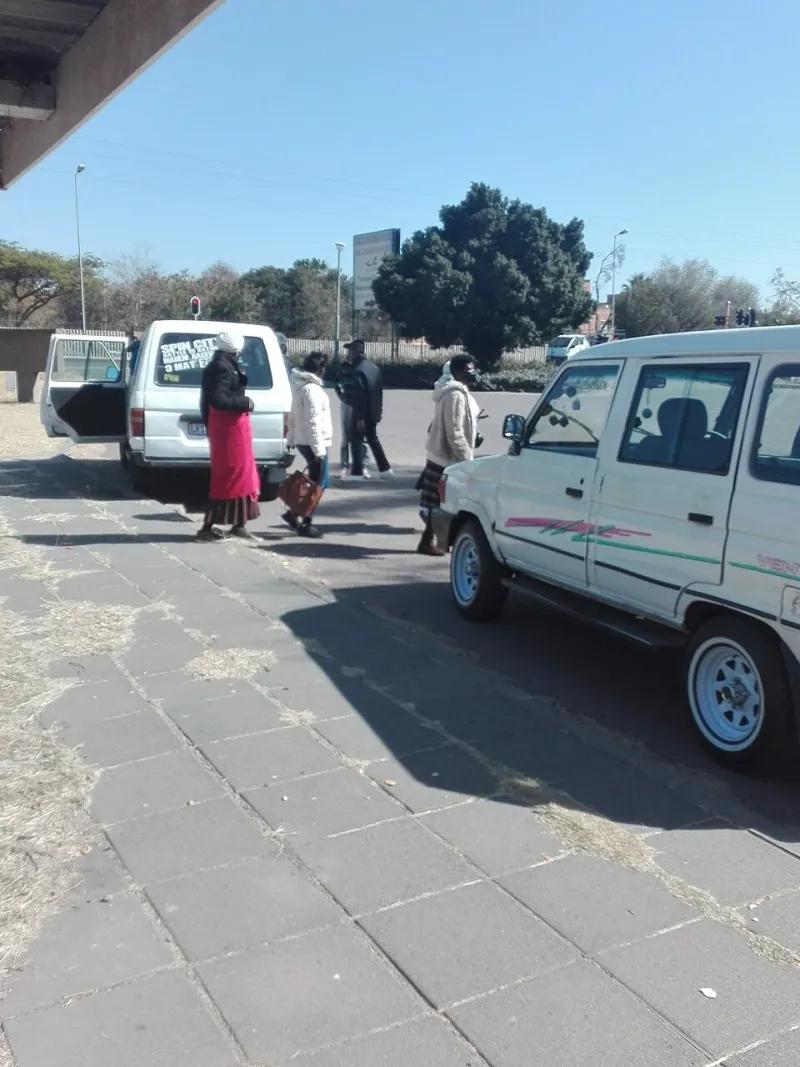
Photo: Abdulmominbd, CC BY-SA 4.0, via Wikimedia Commons
There's a particular flavour of tiredness that belongs to 8:12 on a Tuesday: one child's PE kit on the back seat, the other child's lunchbox still sitting on the kitchen counter, and a line of brake lights stretching back further than you'd like. If you're raising children in Ware or Hertford, none of this needs explaining. What follows isn't a lecture about giving up the car. It's a practical look at where a pre-booked local taxi genuinely earns its keep on term-time mornings — and where it honestly doesn't.
The morning now has more moving parts than it used to
Breakfast club doors open at twenty to eight. One child is at a primary school a ten-minute walk away; the other needs to be across town by 8:25. Somebody has a train to catch from Hertford North or Hertford East, and the buffer between "school gate" and "platform" is thinner than it looks on paper. Add a nursery drop, a swimming kit, a forgotten trumpet and a road that's down to one lane, and the whole thing stops being a journey and starts being a scheduling exercise.
Most families solve this with a car and a lot of optimism. The optimism is the part that wears out first.
Where the school run actually snags
It's rarely the driving. It's everything either side of it.
- The last hundred metres. The dash for a space near the school gate, the reverse out of a tight crescent, the polite standoff with another parent doing exactly the same thing.
- The pinch points. In Ware that's often the run through the town centre and up towards the main road out; in Hertford it's Gascoyne Way in both directions, plus Star Street and the turn towards Hertingfordbury Road when everyone has the same idea at the same time.
- The overspill. Parents parked three streets away, walking the final stretch in the rain with a reception-age child who has decided today is the day they will not be hurried.
- The return leg. You got them there. Now you have to get out of the car park, back through the same traffic, and be somewhere else by nine.
A booked taxi doesn't magic the traffic away. What it does is hand the parking, the three-point turn and the queueing to somebody who does it every day.
What a pre-booked car changes, realistically
A local driver leaving a depot in Ware for a school in Hertford at 7:55 knows which way the queue will form. They know the back route that saves four minutes on a dry day and saves nothing on a wet one. More to the point, the car is outside your door at the agreed time, the children get in, and you're not the one navigating a busy school gate in a vehicle you then have to park.
For families where one adult is heading straight to a station or a shift, that matters more than the fare. You arrive at the platform calm rather than having just performed a rally stage.
Timing: the ten minutes that decide everything
If there's one habit worth adopting, it's booking earlier than feels necessary. A car booked for 8:00 usually delivers a child to the gate at a comfortable 8:20. A car booked for 8:15 tends to arrive at 8:31 into a scrum of traffic and closing gates.
Ask the driver, when you book, what they'd allow. They'll tell you straight — including the days when the answer is "fifteen minutes more, because the roadworks are back". Wet mornings, icy windscreens and the week the clocks go back all add minutes that nobody budgets for.
Two schools, one car, one very patient driver
Split drop-offs are where booked taxis quietly shine. Drop the eldest at the secondary school first, then loop back for the younger one — or better, book a driver who will do both in one run while you get on with the rest of your morning. Tell them at the time of booking that it's two stops, in this order, with roughly five minutes of waiting at each. It changes the route the driver plans and it stops surprises on the day.
Sharing the lift
Two families, one school, one fare split down the middle is the most underrated money-saver in the school run playbook. It works best with a fixed arrangement — same days, same time, same corner — and with a pickup point at the end of the road rather than inside the cul-de-sac. Nobody wants to reverse out of a crescent at 8:20 with four children in the car.
Wet mornings and the mornings the car won't start
Flat battery. Frozen windscreen. The day the boiler decides to leak five minutes before departure. These are the mornings where a booked cab moves from convenience to genuinely useful — and the reason it's worth knowing your local firm's number before you need it, rather than googling frantically at 7:50.
Keeping the cost sensible
A taxi every morning for a five-minute journey is not a sensible budget. A taxi on the two mornings a week when the schedule collides with a shift, a train or a hospital appointment is. A few things that help:
- Ask for a fixed quote when you book, so the price doesn't drift with the traffic.
- Book regular slots ahead rather than ringing at short notice; many local firms will hold a weekly booking for you.
- Mention waiting time up front if you expect to need it at the gate.
- Compare properly — parking charges, fuel and the cost of being late all count on the other side of the ledger.
A five-line checklist
- Book the evening before, not the morning of.
- Say how many children, and whether a booster seat is needed so it can be arranged in advance.
- Give the gate, not just the postcode — school entrances are rarely on the main road.
- Build in a five-minute cushion on wet days.
- Book the return trip at the same time if you'll need one.
And when a taxi isn't the answer
If the school is a ten-minute walk and the weather is fine, walk. If two neighbours are going the same way, share. A booked car is at its best when it's solving a real problem — the collision of two drop-offs and a train, the physio appointment at nine, the morning the sky has opened. Used that way, a local taxi is less of a luxury and more of a pressure valve. The bell still rings at the same time. It's just that you arrive before it.