Umbrellas Don’t Need a Night Out: A Calm Guide to Lost Property in Ware and Hertford Cabs
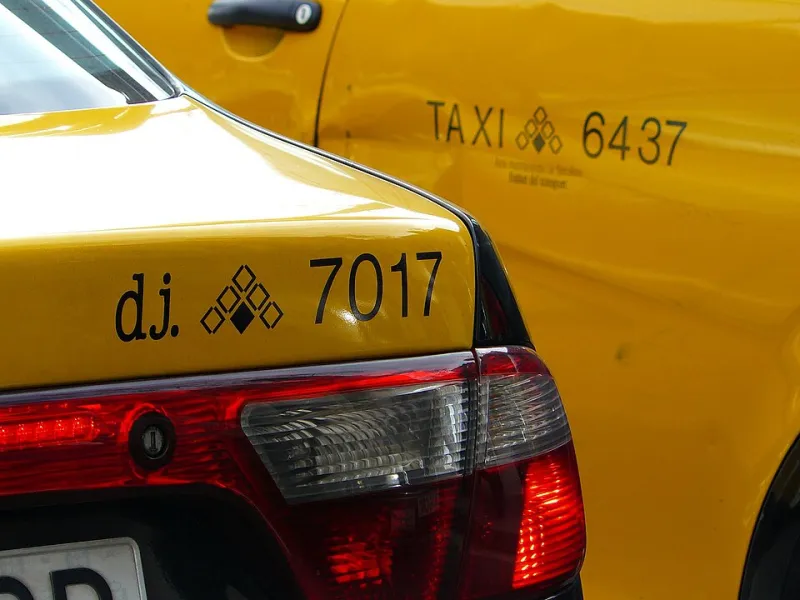
Photo: Plague 2311 Werkman from Amersfoort, The Netherlands, CC BY 2.0, via Wikimedia Commons
It usually happens at the exact moment you stop thinking. The cab has pulled away from the kerb, you are halfway up the path, and your hand goes to your pocket for the phone that is currently enjoying a quiet night on the back seat. Or it is an umbrella. Or a shopping bag from the High Street. Or, in one memorable case, a birthday cake that had a very brief career as a passenger.
Lost property is rarely a disaster. It is admin. Slightly annoying admin, often with a happy ending, but admin all the same. The trick is to treat it like a missing item rather than a missing limb: check the obvious places first, give the taxi office the details that actually help, and stay realistic about timing. Here is the calm version.
First, do the boring check
Before you ring anyone, do the circuit. Pockets, coat pockets, bag, handbag, the hallway table, the sofa, the place where you dump your keys. Check the car if someone picked you up. Ask whoever you were with whether they picked it up by mistake. It sounds obvious, but a decent share of lost property calls begin with a phone that was in a coat pocket all along and end with a slightly embarrassed apology.
If the item is genuinely gone, write down the basics while they are fresh: the time you travelled, where you got in, where you got out, and how you paid. That last one matters more than people think. A card payment, an app booking or a phone call to the office all leave a trail. A cash ride is not impossible to trace, but the more detail you can give, the better.
The details that actually help
Taxi offices do not need your life story. They need a description that separates your item from the other seventeen black umbrellas in the lost property drawer. So be specific. Not just a phone: the model, the case colour, the lock screen if it is visible. Not just a bag: the shop, the colour, the roughly embarrassing contents. Not just a cake: the flavour, the box, the name iced on top, and the fact that it is perishable.
Give the booking reference if you have one. Give the driver’s name or plate if you noted it. Give the pickup and drop-off addresses, or the nearest landmark if you were waved down near Ware station, outside a pub on Fore Street, or at a rank in Hertford. Mention the route if you remember it, especially if you went via the A1170 or took a less obvious turn through Bengeo. If you booked by phone, give the number you called from. If you used an app, use the in-app lost item option rather than sending a vague message into the void.
And say where you think it was left: rear seat, footwell, boot, door pocket. That last detail can save a driver ten minutes of rummaging at the end of a shift.
Timing is not just about the clock
Call as soon as you notice, but do not expect the cab to spin around mid-fare. Drivers work shifts, offices get busy, and a Friday or Saturday night can leave a backlog of checks for the morning. If the item is essential — phone, keys, medication, work bag — say so clearly and calmly. If it is a cake, say that too, because a driver is more likely to prioritise something that will not survive a warm afternoon in a footwell.
Leave one clear message with your name, number, travel time and item description. Repeated calls rarely speed things up, and they can slow down the person actually checking the back seat. If the office is closed, try again when it opens. If you booked through an app, follow the app process. If you hailed a cab at a rank, mention the rank and the time; that narrows the search more than a general appeal to the universe.
What happens next
Most recoveries are straightforward once the item is found. The office logs it, the driver hands it in, and you arrange collection. Be flexible about that bit. Asking a driver to break off a job to drop a umbrella back is not the same as asking for a hospital run; it is a quick way to turn a simple reunion into a scheduling problem. Collect from the office if you can, or agree a sensible drop-off time.
For valuable items, expect to show some ID. For phones, do not ask the driver to answer it or read out messages; lock it remotely if you can and deal with the security side separately. For bank cards, freeze them. For keys, think about whether the loss changes your home security. For food, be prepared for the possibility that it has been disposed of for hygiene reasons. Nobody wants a birthday cake that has spent the night in a cab.
Habits that stop the sequel
A few small rituals make lost property much rarer. Do a last look before you open the door: hand on the seat, eyes across the footwell, check the door pocket. Keep small items in one bag rather than scattered across your lap. Say the important things out loud — phone, keys, wallet — like a mildly unhinged but effective shopping list. Zip the pocket that holds your phone. Hook the umbrella onto your bag instead of balancing it on the seat. If you have shopping bags, check the boot before you walk away, because the boot is where bags go to be forgotten.
At the end of a night out, do the same check you would do at the airport: one sweep, one count, one glance back. If you are with children, count them and their belongings. If you have just come off a train at Ware or Hertford East, check the seat before the door closes. If you have been for a walk around Hartham Common, remember that a wet umbrella is exactly the sort of thing that slides under a seat and stays there.
Local notes, lightly applied
In Ware, a lot of lost property stories begin or end near the station, the High Street or Amwell End. In Hertford, the ranks around Fore Street and the station do a brisk trade in forgotten scarves, gloves and the occasional phone. Matchdays at Ware FC or Hertford Town add scarves and hats to the list. Festive dos add coats, phones and the aforementioned cake. None of this is unusual. It is just what happens when people are tired, merry or thinking about the next thing.
The bottom line is simple: most items turn up when the details are clear and the timing is realistic. Ring the office, describe the thing properly, give them a way to reach you, and then let the system work. Your umbrella may have enjoyed its night out, but it does not need a second one.