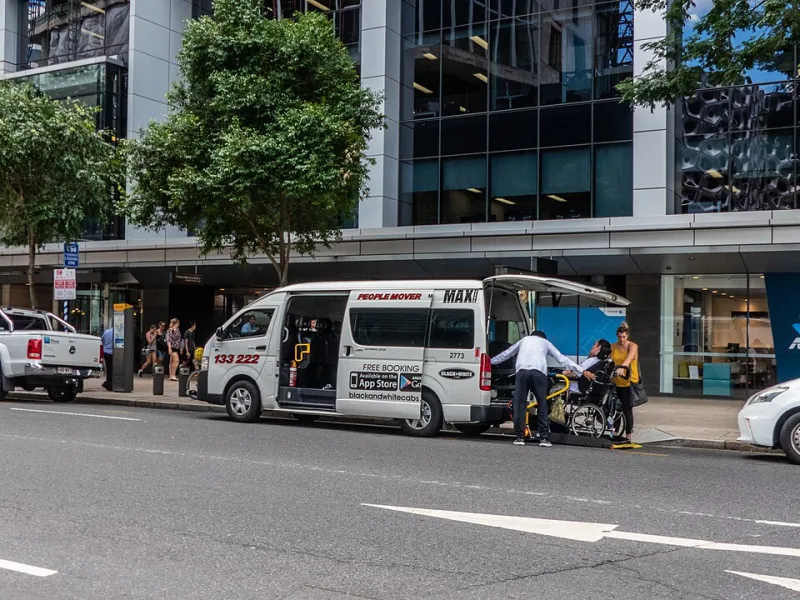
One Booking, Several Bags: Running a Multi-Stop Errand in a Ware or Hertford Taxi
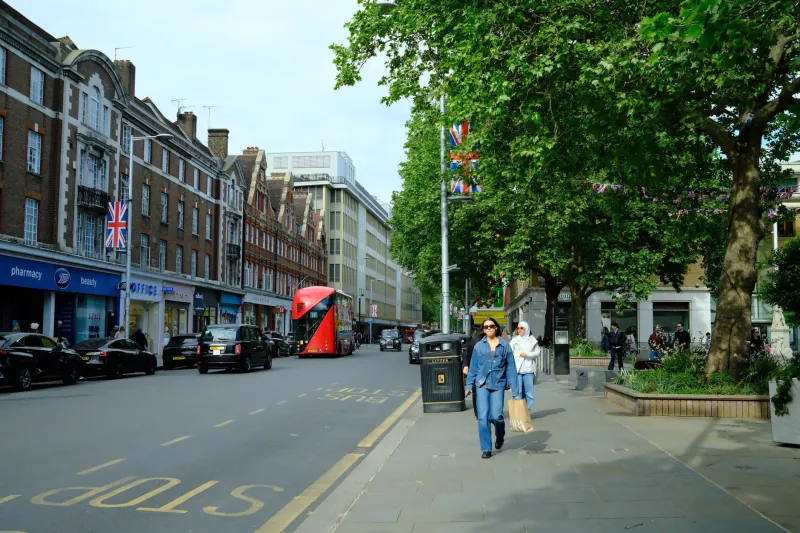
There is a particular kind of local taxi trip that does not fit the airport-run template. It starts at home, stops at the pharmacy, swings by the parcel drop, waits while you grab a birthday card, then finishes at the supermarket. On paper it is three short journeys. In practice, it is one errand run with bags, timing and a queue that never moves at the speed you hoped.
Done well, a multi-stop cab is a small piece of everyday logistics. Done badly, it is a meter-watching marathon. The difference is mostly in the planning — and in booking with a firm that knows the difference between Ware High Street on a Saturday and a quiet Tuesday morning.
Put the stops in the right order first
Before you think about fares, think about sequence. The best multi-stop errand runs follow a simple rule: fixed times first, bulky items last, and anything cold at the very end.
That usually means the pharmacy or the parcel drop comes first. Pharmacies can have queues, and parcel counters can have opening hours that do not care about your parking luck. Get those done while your patience and the day are still fresh. Then do the quick collection — the card, the click-and-collect, the thing you ordered three weeks ago and forgot about. Leave the supermarket until last so the frozen peas are not sitting in the boot while you queue for a prescription.
If you are moving between Ware and Hertford, keep the route sensible. A run that zigzags from Ware to Hertford and back again will feel busy even if the miles are modest. A local driver will usually know whether the A1170 or the A414 is behaving, and whether a back lane will save you from the worst of the town-centre traffic.
Agree the waiting before the wheels move
The awkward bit of a multi-stop trip is the waiting. Is the driver going to sit outside with the engine running while you dash into Bircherley Green? Are you paying for that time? How long is too long?
Ask before you set off. A good local firm will explain the options in plain English: a wait-and-return arrangement, a set waiting period, or a return booking for a fixed time. The exact charges depend on the job, so get the shape of the deal agreed rather than guessing. If the pharmacy queue is notorious, say so at booking. If you are collecting a parcel that might need a signature and a search out the back, mention that too.
It also helps to keep the driver in the loop. A quick text or a word through the window — five minutes, sorry, the queue is out the door — is much better than disappearing into a shop and hoping the cab is still there when you emerge. Local drivers are practical people. They can usually ring the office, adjust the schedule or tell you honestly if the wait is becoming a bad idea.
When a return booking beats a string of singles
A multi-stop cab is not automatically cheaper than booking separate journeys. It depends on how long you are stopped and how far apart the stops are.
If your errands are clustered in one town centre and each stop is ten minutes or so, one booking with agreed waits usually makes sense. You keep your bags with you, you are not re-explaining the postcode to a new driver, and you are not standing on a pavement hoping a car appears. For a pharmacy, a parcel drop and a supermarket run in Ware or Hertford, that is often the sweet spot.
If one stop is likely to take half an hour — a haircut, a long queue, a browse that turns into lunch — do not make the cab wait. Book a return for a set time, or take a single onwards and book another cab when you are ready. The same goes if your stops are spread across both towns with long gaps in between. Two clean bookings can be less stressful than one booking with an anxious driver outside.
Think of it as a choice between a chauffeured errand and a series of short hops. Neither is wrong. The trick is matching the booking to the shape of your day.
The local advantage when the queue runs long
This is where a local taxi firm earns its keep. A national app can dispatch a car, but it cannot always flex when the pharmacy queue is out of the door and the driver has another job waiting. A local operator knows the streets, the school-run timings and the difference between a five-minute wait and a twenty-minute problem. They can send another car, adjust the return time or tell you to leave the shopping until tomorrow.
That flexibility is not a grand luxury. It is the practical difference between a trip that works and a trip that leaves you juggling bags on a rainy corner in Hertford. It also helps that a local driver will not be baffled by instructions like ‘just past the station, opposite the side entrance to Bircherley Green’ or ‘the little parade of shops off Ware High Street’.
A short checklist before you book
- Book the multi-stop trip as one job, not three vague singles.
- Put timed stops and parcel drops first, bulky shopping last.
- Agree waiting time and what happens if a queue runs long.
- Keep your phone handy and update the driver if you are delayed.
- Have a plan B: a return booking or a second cab if a stop turns into a long one.
- Remember the boot space. Several bags of shopping and a parcel can fill a small hatchback faster than you think.
Multi-stop errand runs are not glamorous. They are the local taxi at its most useful: a car that waits while you collect the prescription, takes the parcel off your hands and gets the shopping home before the ice cream turns. Plan the order, agree the waits and leave room for the queue. The meter will be kinder, and so will your afternoon.